
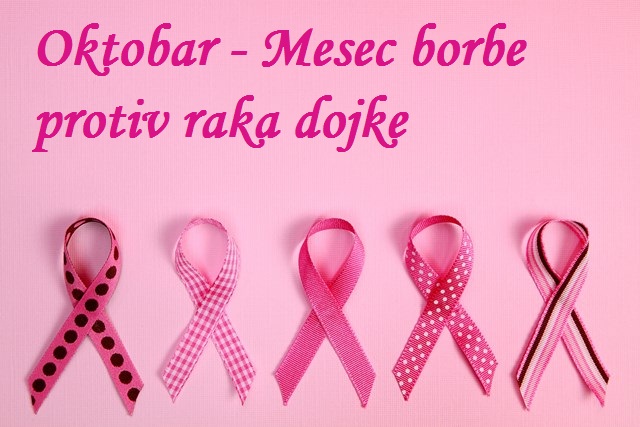
October is internationally recognised as Breast Cancer Awareness Month, a time dedicated to raising awareness about breast cancer, prevention and the importance of early detection. The pink ribbon has become a symbol of solidarity with women affected by the disease, reminding us that looking after our health should be a priority throughout the year.
In our busy everyday lives, medical appointments can easily be postponed because of work, family responsibilities or fear of receiving unexpected results. However, paying attention to breast health and seeking medical advice when needed are important steps towards protecting our well-being.
At IR-IS medic, a gynaecology clinic in Žarkovo, Belgrade, we believe that reliable information, professional care and timely diagnostic assessment are essential parts of women's healthcare.
What Is Breast Cancer and Why Is Early Detection Important?
Breast cancer develops when cells in breast tissue begin to grow uncontrollably and form a malignant tumour. It is one of the most common cancers affecting women worldwide. Treatment options and outcomes depend on several factors, including the type of cancer, its stage and how early it is diagnosed.
Early detection can help identify suspicious changes before the disease progresses and allows further investigations and treatment to begin when necessary. This is why women should not wait for pain or other obvious symptoms before seeking medical advice.
It is also important to remember that most breast lumps are not cancerous. Nevertheless, any new or unusual change should be assessed by a healthcare professional.
Breast Cancer Symptoms: What Changes Should You Look For?
Knowing what is normal for your own breasts can help you recognise changes that may require medical assessment.
Possible warning signs include:
A new lump or thickening in the breast or underarm area.
A change in the size, shape or appearance of a breast.
Skin dimpling or a change in the texture of the breast skin.
A newly inverted nipple or another noticeable change in its appearance.
Unusual nipple discharge, particularly if it contains blood.
Persistent redness, swelling or other unexplained skin changes.
These symptoms do not automatically mean that breast cancer is present. However, they should not be ignored. Seek medical advice if you notice a new change, even if it is painless.
Breast Ultrasound: An Important Diagnostic Tool
Breast ultrasound is an imaging method that uses sound waves to examine the structure of breast tissue. It can help healthcare professionals assess different types of breast changes, including lumps, cysts and other findings that may require further investigation.
The examination is non-invasive and does not use ionising radiation. Depending on a woman's age, symptoms, breast tissue characteristics and individual risk factors, ultrasound may be used as an initial diagnostic examination or alongside other imaging methods.
It is important to understand that breast ultrasound does not replace mammography when mammography is indicated. The most appropriate examination and screening schedule should be determined individually in consultation with a healthcare professional.
At IR-IS medic in Žarkovo, Belgrade, you can book a breast ultrasound examination and receive a professional assessment tailored to your healthcare needs.
When Should You Schedule a Preventive Breast Examination?
There is no single examination schedule suitable for every woman. Recommendations depend on age, personal and family medical history, previous findings and other individual risk factors.
Regular consultations with a healthcare professional can help establish an appropriate plan for monitoring breast health. Women with an increased risk may need earlier or more individualised follow-up.
If you notice a new lump or another suspicious change, do not wait for your next routine appointment. Arrange a medical assessment even if your previous examination was normal, as new symptoms should always be evaluated.
Breast Self-Awareness: Get to Know Your Body
Paying attention to the usual appearance and feel of your breasts can help you recognise changes. Breast self-awareness may help you notice something unusual, but it is not a substitute for professional assessment or recommended screening methods.
If you notice a change, make a note of when it appeared and contact your healthcare professional. Do not try to determine on your own whether a change is benign or malignant.
The most important step is to take your concerns seriously and seek professional advice whenever necessary.
Breast Cancer Awareness Month Is in October, but Breast Health Matters All Year
Breast Cancer Awareness Month provides an opportunity to talk openly about prevention, share reliable information and remind women of the importance of timely medical assessment. However, breast health deserves attention throughout the year, not just in October.
Making time for appropriate preventive examinations is an important part of taking responsibility for your health.
If you would like to book a breast ultrasound examination or a consultation, contact IR-IS medic.
Take care of yourself, stay informed and seek medical advice when it is needed.